Product Design
Elaani - shaped into a product
Exploring how design decisions across material, form, and branding come together to shape a complete product experience.
Year :
2020
Industry :
Fashion
Project Duration :
4 years

Why Elaani
Elaani began with a clear intent.
To create sustainable clothing while supporting local artisans across India.
Artisans carried generations of skill, yet remained disconnected from modern markets.
At the same time, sustainable fashion often felt distant - either too expensive, too niche, or lacking everyday relevance.
Elaani was built to bridge that gap. To turn craftsmanship into something usable, repeatable, and relevant in everyday life.
Clothes people actually reach for
I wasn’t interested in creating pieces that sit in wardrobes. The focus was on repeat use, not one-time appeal.
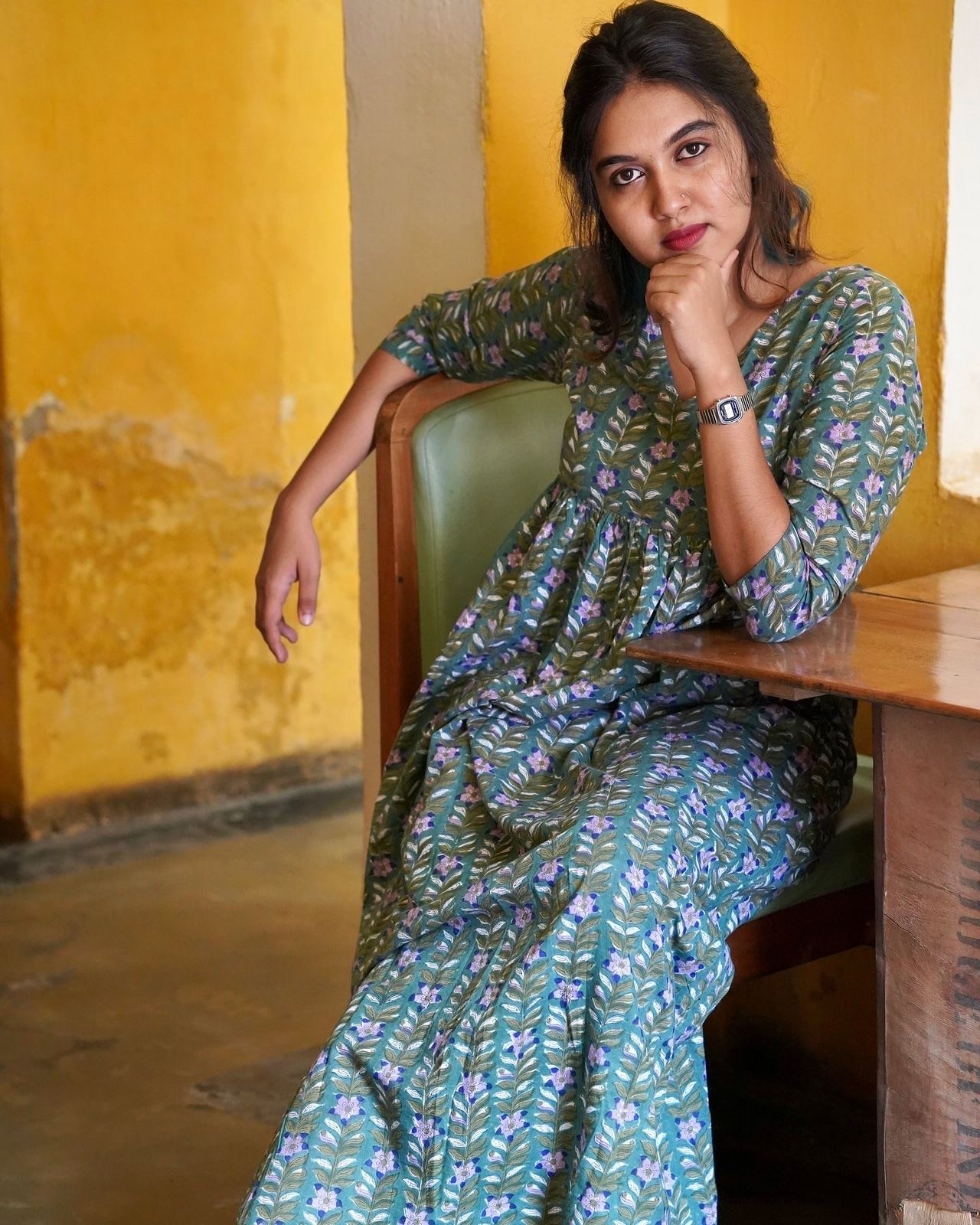
Living in India means designing for heat, humidity, and long days. Cotton became central. Breathable, lightweight, and easy to live in. Each piece was shaped to feel effortless across contexts.
Something you reach for without thinking, and keep coming back to.
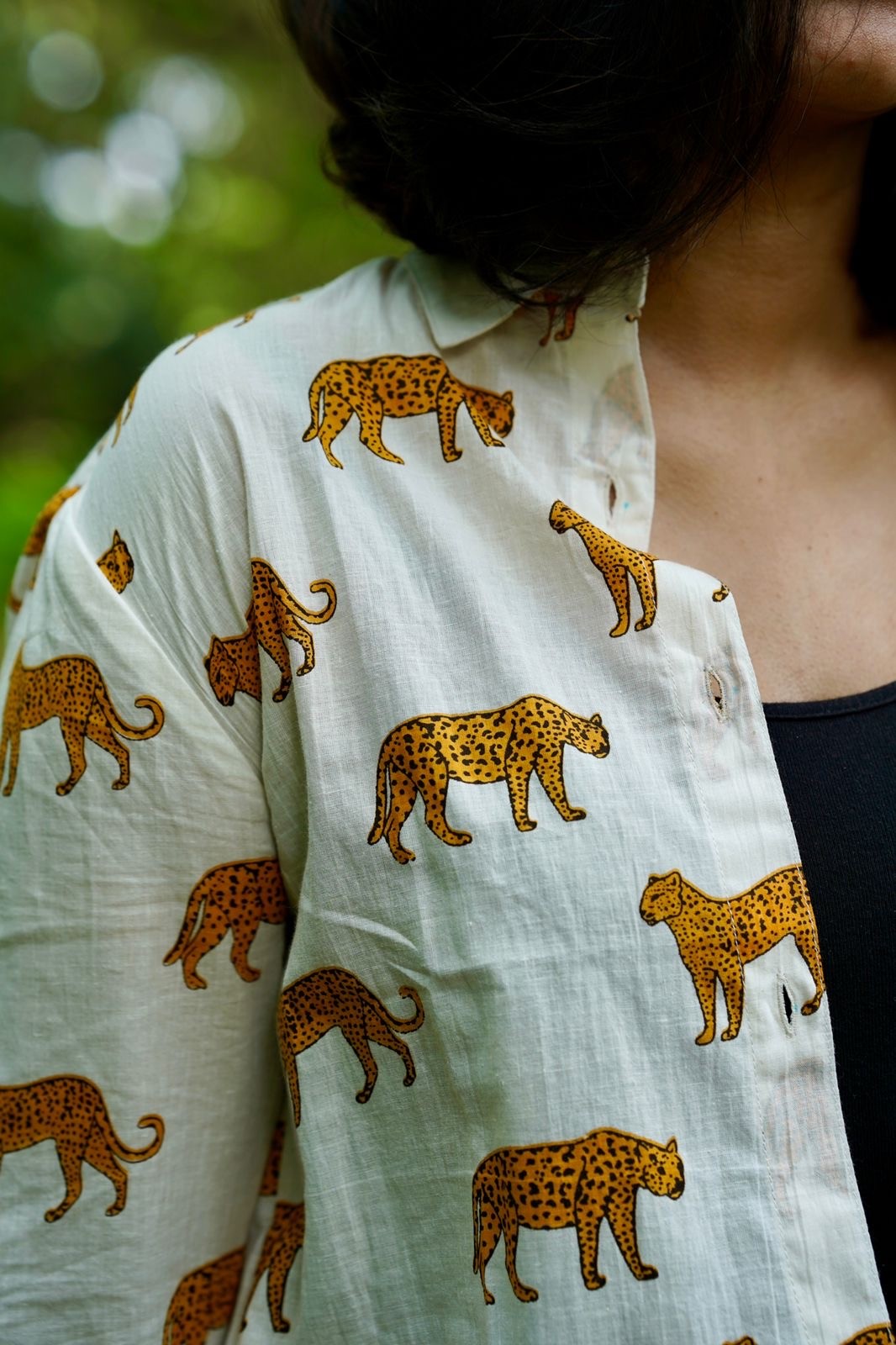
Working closely with artisans made this even more real. The textures, the softness, the way fabric moves in heat all influenced the final outcome.
It was about creating something that works with your environment, not against it.
Turning an idea into something people could buy
Elaani wasn’t just designed. It had to exist, end to end.
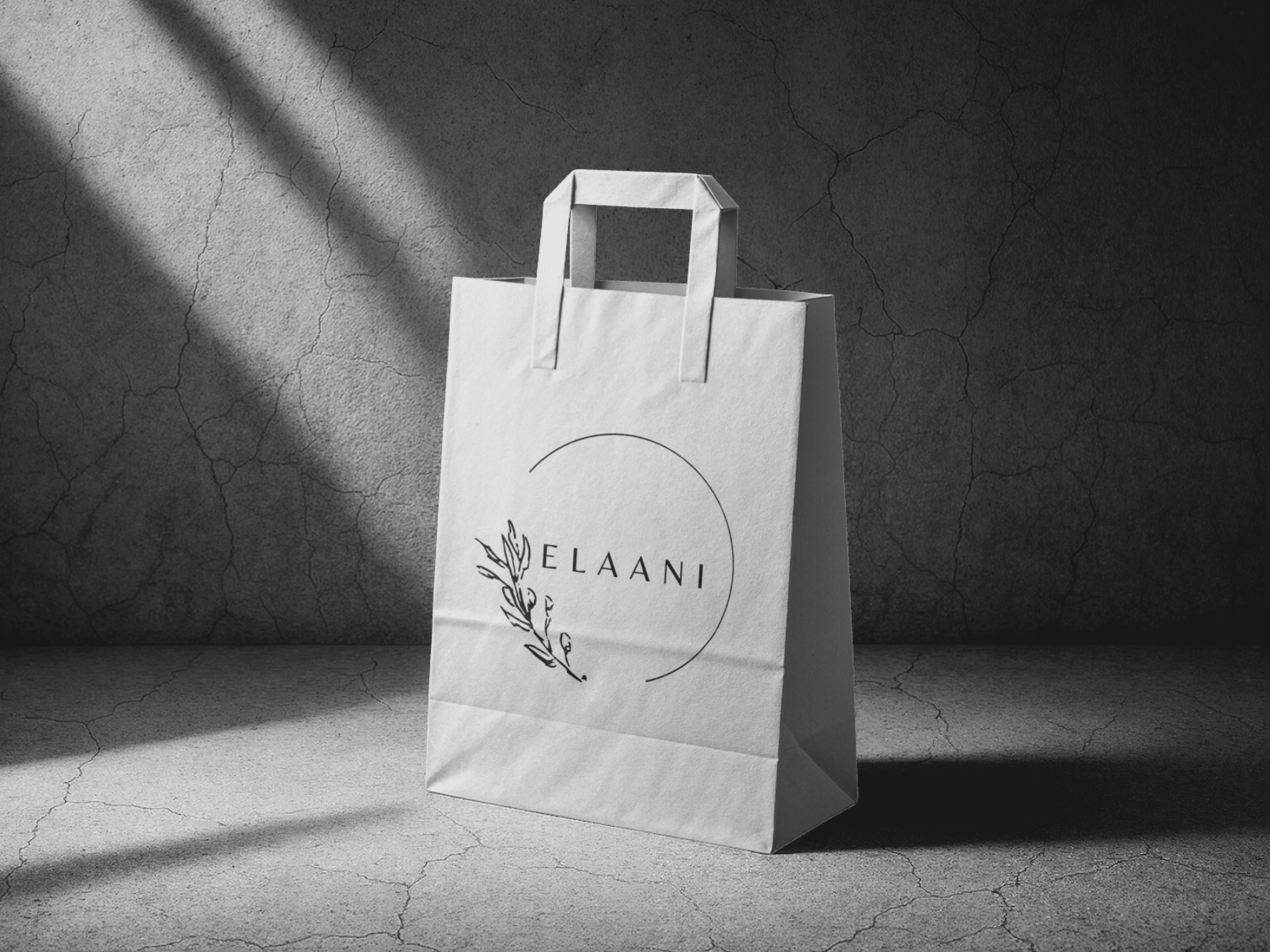
From naming the brand to sourcing fabrics and working with artisans, every step came with trade-offs. I had to think about viability. What gets made, what gets sold, and what sustains.
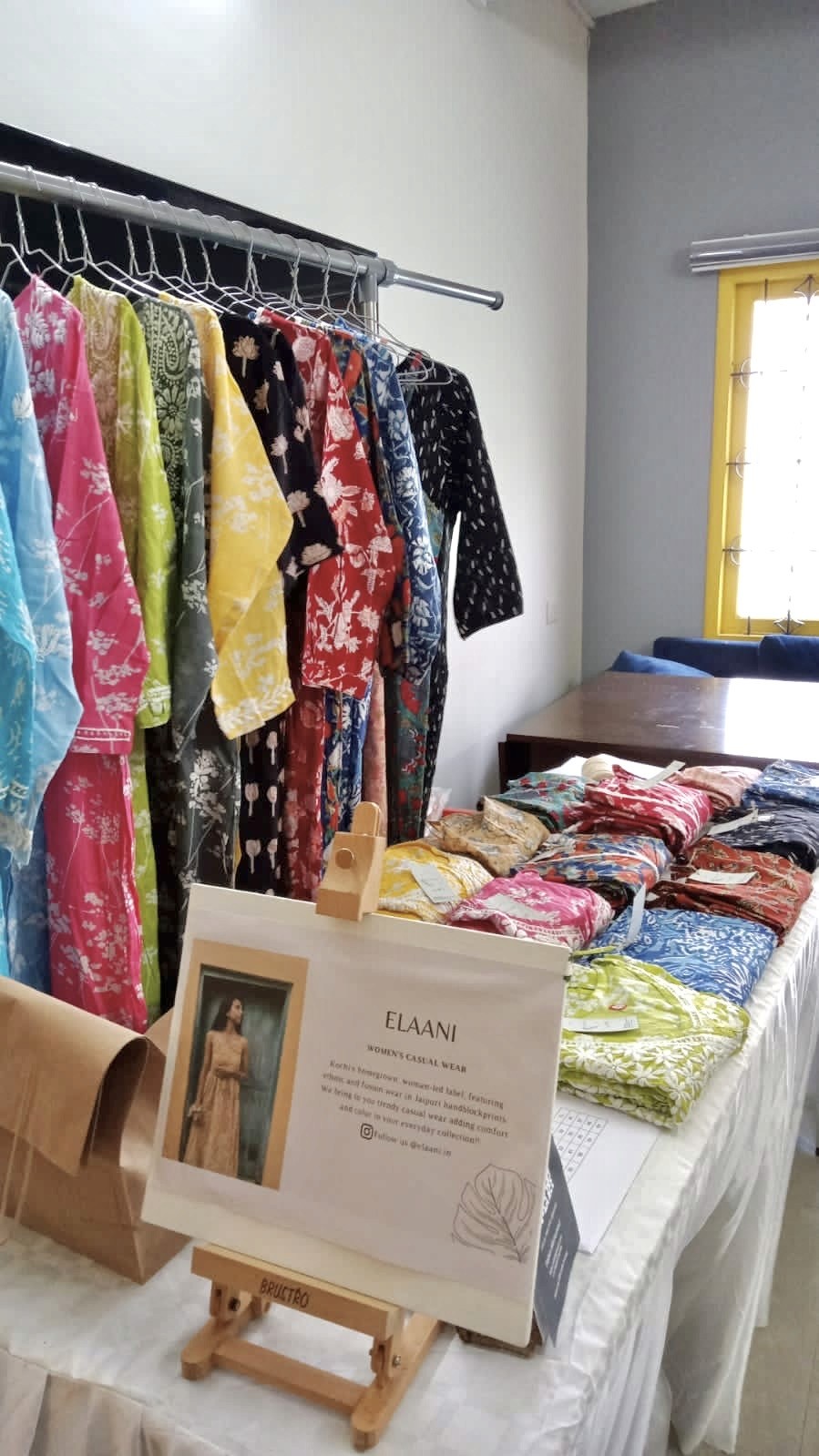
Exhibitions and pop-ups became the real test. What people picked up, what they ignored, what they came back for. The product was shaped as much by these moments as it was by the initial idea.
Because at the end of the day, it had to move from an idea to something someone chooses to take home
Designing how people experience it
Elaani came alive in physical spaces. Pop-ups, exhibitions, real conversations.
How people moved, what they touched, what they paused at. That became the feedback. There were no metrics, just observation. What drew people in stayed. What didn’t was reworked.
It wasn’t just about what people wore, but how they connected with it.
Where physical turned digital
Elaani made me think in systems. Every decision connected. Design, business, experience.
Working this way made something click. I wasn’t just interested in creating products, but in shaping how people interact with them. That’s what pulled me toward digital. Faster feedback, more room to iterate, deeper interaction design.
Elaani was the starting point. Digital became the direction.
More Projects
New release
Preview
Product Design
Elaani - shaped into a product
Exploring how design decisions across material, form, and branding come together to shape a complete product experience.
Year :
2020
Industry :
Fashion
Project Duration :
4 years
Why Elaani
Elaani began with a clear intent.
To create sustainable clothing while supporting local artisans across India.
Artisans carried generations of skill, yet remained disconnected from modern markets.
At the same time, sustainable fashion often felt distant - either too expensive, too niche, or lacking everyday relevance.
Elaani was built to bridge that gap. To turn craftsmanship into something usable, repeatable, and relevant in everyday life.
Clothes people actually reach for
I wasn’t interested in creating pieces that sit in wardrobes. The focus was on repeat use, not one-time appeal.
Living in India means designing for heat, humidity, and long days. Cotton became central. Breathable, lightweight, and easy to live in. Each piece was shaped to feel effortless across contexts.
Something you reach for without thinking, and keep coming back to.
Working closely with artisans made this even more real. The textures, the softness, the way fabric moves in heat all influenced the final outcome.
It was about creating something that works with your environment, not against it.
Turning an idea into something people could buy
Elaani wasn’t just designed. It had to exist, end to end.
From naming the brand to sourcing fabrics and working with artisans, every step came with trade-offs. I had to think about viability. What gets made, what gets sold, and what sustains.
Exhibitions and pop-ups became the real test. What people picked up, what they ignored, what they came back for. The product was shaped as much by these moments as it was by the initial idea.
Because at the end of the day, it had to move from an idea to something someone chooses to take home
Designing how people experience it
Elaani came alive in physical spaces. Pop-ups, exhibitions, real conversations.
How people moved, what they touched, what they paused at. That became the feedback. There were no metrics, just observation. What drew people in stayed. What didn’t was reworked.
It wasn’t just about what people wore, but how they connected with it.
Where physical turned digital
Elaani made me think in systems. Every decision connected. Design, business, experience.
Working this way made something click. I wasn’t just interested in creating products, but in shaping how people interact with them. That’s what pulled me toward digital. Faster feedback, more room to iterate, deeper interaction design.
Elaani was the starting point. Digital became the direction.
More Projects
New release
Preview
Product Design
Elaani - shaped into a product
Exploring how design decisions across material, form, and branding come together to shape a complete product experience.
Year :
2020
Industry :
Fashion
Project Duration :
4 years
Why Elaani
Elaani began with a clear intent.
To create sustainable clothing while supporting local artisans across India.
Artisans carried generations of skill, yet remained disconnected from modern markets.
At the same time, sustainable fashion often felt distant - either too expensive, too niche, or lacking everyday relevance.
Elaani was built to bridge that gap. To turn craftsmanship into something usable, repeatable, and relevant in everyday life.
Clothes people actually reach for
I wasn’t interested in creating pieces that sit in wardrobes. The focus was on repeat use, not one-time appeal.
Living in India means designing for heat, humidity, and long days. Cotton became central. Breathable, lightweight, and easy to live in. Each piece was shaped to feel effortless across contexts.
Something you reach for without thinking, and keep coming back to.
Working closely with artisans made this even more real. The textures, the softness, the way fabric moves in heat all influenced the final outcome.
It was about creating something that works with your environment, not against it.
Turning an idea into something people could buy
Elaani wasn’t just designed. It had to exist, end to end.
From naming the brand to sourcing fabrics and working with artisans, every step came with trade-offs. I had to think about viability. What gets made, what gets sold, and what sustains.
Exhibitions and pop-ups became the real test. What people picked up, what they ignored, what they came back for. The product was shaped as much by these moments as it was by the initial idea.
Because at the end of the day, it had to move from an idea to something someone chooses to take home
Designing how people experience it
Elaani came alive in physical spaces. Pop-ups, exhibitions, real conversations.
How people moved, what they touched, what they paused at. That became the feedback. There were no metrics, just observation. What drew people in stayed. What didn’t was reworked.
It wasn’t just about what people wore, but how they connected with it.
Where physical turned digital
Elaani made me think in systems. Every decision connected. Design, business, experience.
Working this way made something click. I wasn’t just interested in creating products, but in shaping how people interact with them. That’s what pulled me toward digital. Faster feedback, more room to iterate, deeper interaction design.
Elaani was the starting point. Digital became the direction.
More Projects
New release
Preview